If you've got $5,000 to grow your business, everybody wants it: the ads guy, the SEO agency, the web designer. I've watched all three pitches from the receiving end, and I build websites for a living — so here's the honest version of where that $5k goes furthest for a local business. (The short version: I've already written about why your website should come before paid ads. This is the budget math behind it.) What follows isn't theory — it's the decision framework I walk local owners through whenever real money is on the table.
What does $5k actually buy in Google Ads?
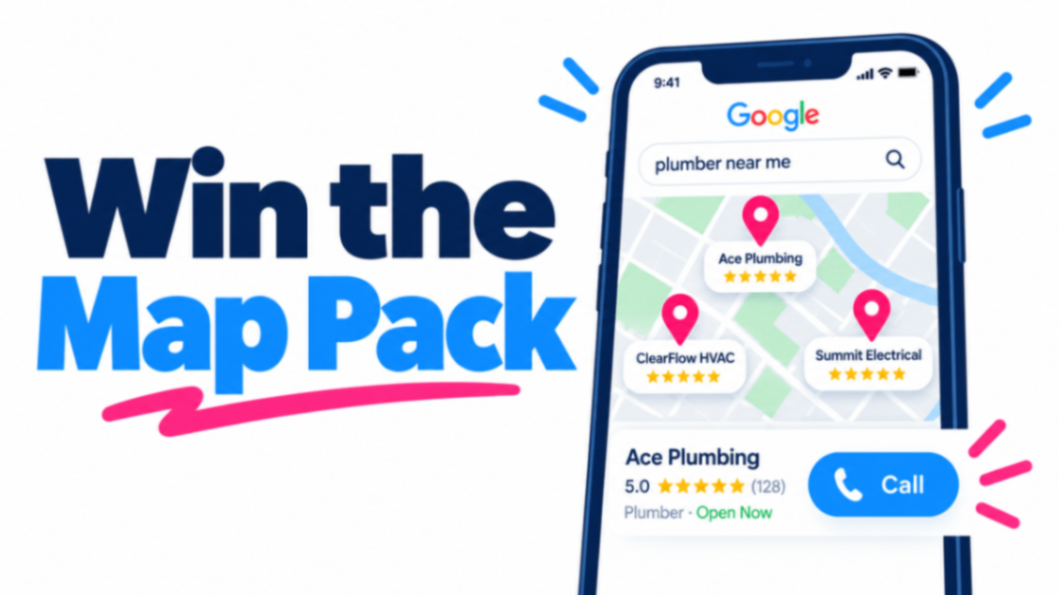
Speed — and a bill that never stops. Five grand in ads buys you immediate traffic: your business at the top of Google this week, not in six months. In competitive local markets each click costs real money, so that budget can go fast, and the day you pause the campaign the leads stop like a faucet shutting off. Ads are a faucet, not a well. They're the right move when your website already converts visitors into calls — because then you're pouring water into a bucket without holes.
What does $5k buy in SEO?
Time — and compounding. Five grand in SEO buys you months of real work: fixing technical issues, building location pages, earning links, publishing content that ranks. Nothing happens fast. But unlike ads, the results don't evaporate when the budget runs out — a page ranking on page one keeps working while you sleep. SEO is the right move when you can wait several months for payoff and you want an asset, not a rental. One warning: SEO has more snake oil than any corner of marketing. If someone guarantees page one, run. Real SEO is unglamorous — fixing the technical mess, writing pages worth ranking, earning links worth having — and anyone honest will tell you which parts are slow.
What does $5k buy in a better website?
Leverage over everything else. Five grand rebuilds the thing every other channel depends on: faster pages, clearer messaging, a booking flow that doesn't leak, mobile that actually works, local SEO baked into the foundation. Here's the part nobody in the ads business will tell you: a better website makes your ads cheaper (more clicks turn into calls) and your SEO faster (Google ranks good pages more willingly). It's the multiplier under both. Where exactly does the money go? Roughly: half to design and build done right, a quarter to copy and photography — the two things owners always underestimate — and a quarter to the unsexy foundations: speed, mobile, local SEO setup, analytics. Skip the custom illustrations and the brand video for now. Clear beats clever when you're spending your own money.
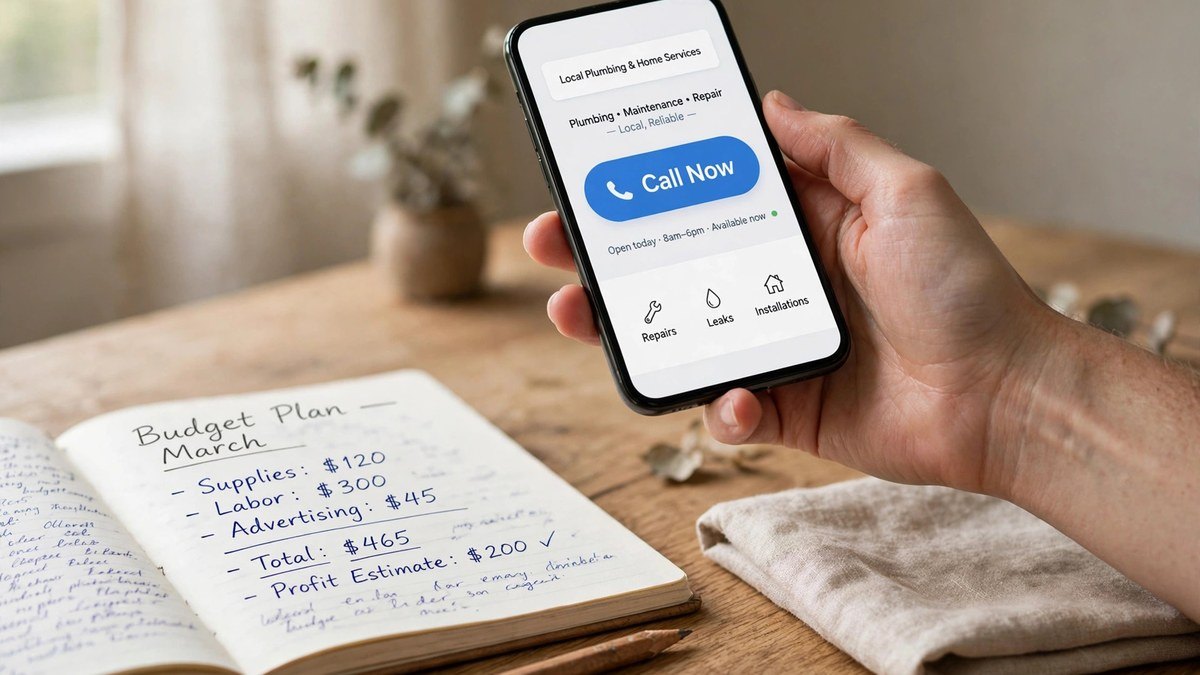
So where should the $5k go first?
It depends on what you have today — be honest:
- No website, or one you're embarrassed to link to? Website first. Sending ad traffic to a bad site is paying for people to leave.
- Decent website, but nobody finds it? SEO and content. The bucket is fine; you need more water.
- Decent website with steady traffic, and you want more now? Ads. The machine works; feed it.
- Brand-new business, need customers this month? A lean, fast starter site plus a small, tightly-targeted ad campaign. Not $5k of ads on a template held together with hope.
Most local businesses I talk to are in bucket one or two and spending like they're in bucket three.
What if I already have a decent website?
Then don't rebuild it — tune it. The highest-ROI $5k for an existing decent site usually looks like this: speed optimization, rewriting the homepage and service pages around what customers actually search, fixing the mobile experience, adding reviews and trust signals everywhere, and simplifying the contact flow to one obvious action. Conversion work is deeply unsexy and wildly profitable.
Can I split the $5k across all three?
You can, but usually shouldn't — at least not evenly. Split three ways, each slice is too small to do its job: a small ad budget is a two-week experiment, the same amount in SEO barely covers an audit, and a thin slice of website is a facelift. Money concentrates or it evaporates. The one split that does work: spend the bulk fixing the foundation (website plus conversion), then reserve a small test budget — a few hundred dollars — to validate one paid channel before committing further. Prove, then pour.
How do I know any of it is working?
Pick one number and watch it: qualified calls or form fills per month. Not traffic, not rankings, not impressions — those are ingredients, not dinner. Ask whoever you're paying to report on that number monthly, in plain English. If they can't or won't, that's your answer about them.
The bottom line
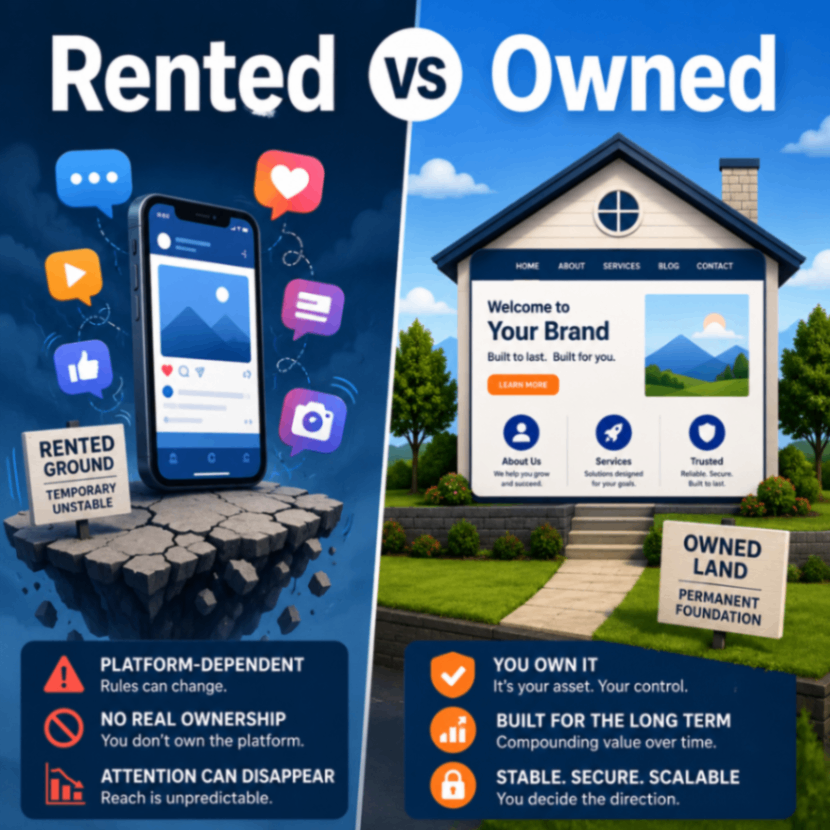
Ads rent attention, SEO builds an asset, and the website multiplies both. For most local businesses, the order that wastes the least money is: website that converts, then SEO that compounds, then ads that scale.
And if you've decided the website comes first, don't hire blind — here are 7 questions to ask a Costa Mesa web designer before hiring.
Want a straight answer on where your $5k goes furthest? Get in touch — I'll look at your site and tell you honestly whether you need a rebuild, SEO, or neither.